Case Study: Coop Pluss: Upgrading Estonia’s Largest Loyalty Programme
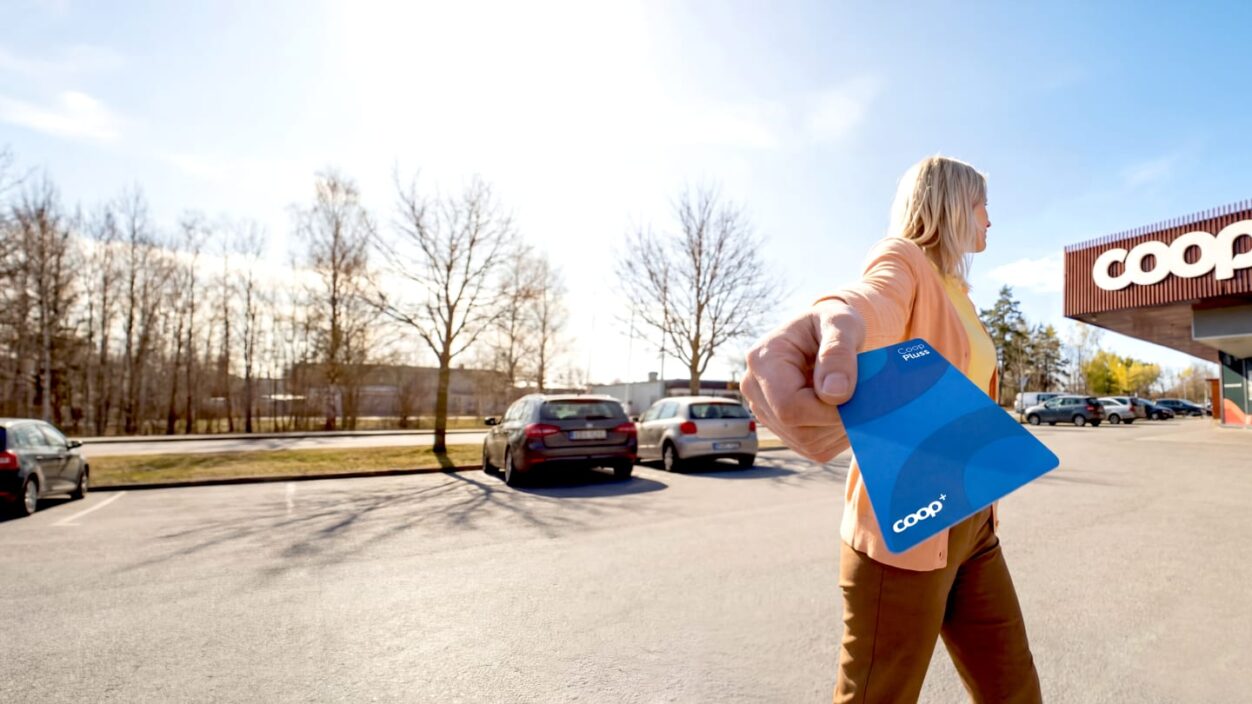
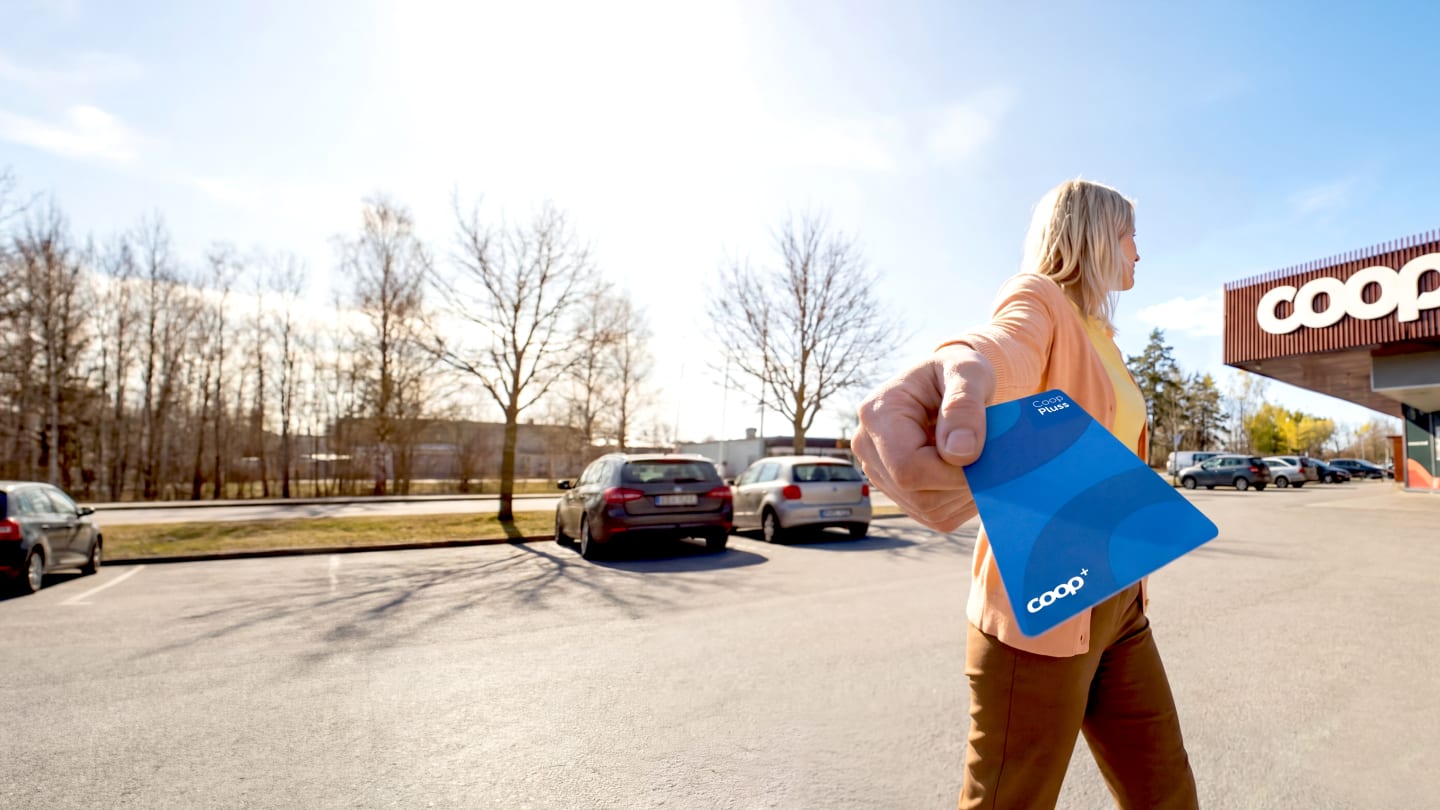
Coop Keskühistu’s Säästukaart programme has been running for 26 years. Over that time, it has grown into the largest loyalty programme in Estonia, with nearly 758,000 cardholders. That scale carries significant value, but it also means that any upgrade must work reliably for a very large number of people.
When Coop decided it was time to move beyond the existing Säästukaart Pluss and launch a new credit card product in partnership with Coop Pank, they brought ADM in to handle the client portal aspects of the technical build.
What the Work Actually Involved
The brief was not to redesign anything from scratch. The client portal already existed, and the task was to prepare it for the introduction of a new card product. This involved development work across several layers: portal functionality, database connection handling, security fixes, bug fixes and general stability improvements. The changes needed to fit into the existing design without disruption, which presents a different kind of challenge from building something new. When hundreds of thousands of people regularly use a system, the bar for “good enough” is higher, and there is little room for instability on launch day.
Alongside the portal work, ADM also designed new screens for the Coop app. While the portal changes could be integrated into the current interface without visual disruption, the app required new designs to properly support the additional card features. The two workstreams required different approaches: one focused on fitting into an existing system, the other on introducing something new that still felt native to the product.
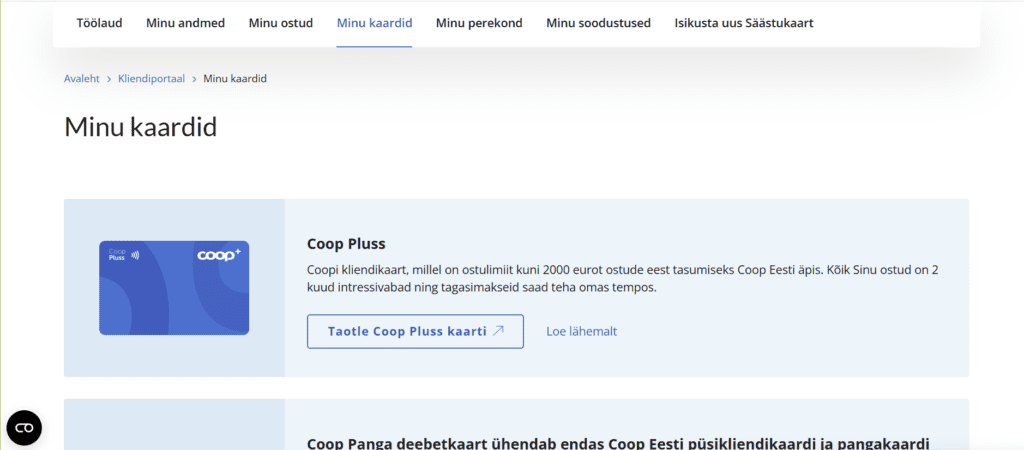
The project involved three organisations: Coop, Coop Pank (which owned the financial product side of the card) and ADM. This kind of setup adds coordination overhead, because decisions pass through more people, timelines must account for dependencies across teams and the go-live date is influenced by external factors, not just development readiness. Each party had its own responsibilities, and adhering to them helped keep the project on track. The collaboration held up, and the card launched on schedule.
The Result
In March 2026, Coop Pluss went live. The new card is a credit card offering up to a 70-day interest-free period and a credit limit of up to €2,000. Any of Coop’s existing Säästukaart holders can apply, which means the potential user base from day one is close to 758,000 people. The application process is fully online, and once the agreement is signed, a virtual card becomes available immediately. There is no waiting and no need to visit a branch.
The card works across all three of Coop’s digital touchpoints: the app, the website and the client portal. For users, the experience is consistent regardless of which channel they use. For Coop, this means the new product is properly integrated across their digital presence rather than simply added to one part of it.
For a loyalty programme that has been in place since 1999, this is a meaningful step. The original Säästukaart built its user base on something simple: discounts at checkout, accumulated over years of everyday shopping at Coop stores across Estonia. It worked because it was frictionless and familiar. Adding a financial product with credit functionality is a different proposition, and it places greater demands on both the user and the supporting infrastructure. Getting the digital side right was an important part of making that transition credible.
A Few Things Worth Noting
Projects like this do not always get written up, partly because the work is difficult to capture visually. There is no before-and-after screenshot that shows what it takes to stabilise a portal serving hundreds of thousands of users or to coordinate a technical launch across three separate organisations with their own systems and timelines.
The work that tends to be invisible, such as database connection management, security patching and ensuring everything performs reliably under real load, is often the most critical on a project like this. A loyalty programme of this size carries a considerable amount of user trust built up over more than two decades. A poor launch would have been noticed.
What made this project successful was keeping the scope clear from the start. ADM’s role was well defined: client portal on one side and app design on the other. Coop Pank handled the financial product and the regulatory aspects of the credit offering. Coop managed the broader programme and its relationship with cardholders. Each party understood its responsibilities and the work progressed accordingly. In a three-way collaboration, that level of clarity is not guaranteed; it has to be established and maintained.
The 9 March deadline was met. The card is now live and available to nearly 758,000 people, accessible through the app, the web and the portal that ADM helped prepare. For a project involving this many users and moving parts, that is the outcome that matters most.
Interested in what this kind of collaboration could look like for your project?
Get in touch — we are happy to discuss the details.
Photos in this blog post are taken from:
https://www.cooppank.ee/eraklient/igapaevapangandus/kaardid/coop-pluss https://www.cooppank.ee/coop-pank/uudised/coop-pank-ja-coop-uuendavad-eesti-suurimat-lojaalsusprogrammi